
Consider using the statement or phrase in an example sentence. AnswerA person who doesn’t exhibit any surprise, fear, concern, etc. e.g.,Raju didn’t bat an eyelid when Lalitha told him she had used up all her savings.
“Breaking the Language Barrier”: Simple English Phrases for Cross-Cultural Communication
Author : Kumar REducation :Msc ITProfession : Director – Learning & Development, The Kanavu School of English, SivagiriDate : 30.08.2023 Introduction: Understanding the Importance of Cross-Cultural Communication In today’s interconnected world, mastering cross-cultural communication is more vital than ever. It’s like having a universal key that opens doors to various cultures and societies. Understanding and being understood in diverse settings is not just a skill, but a bridge that connects people from different walks of life. Effective cross-cultural communication is about more than just words; it’s about respect, empathy, and mutual understanding. It ensures that our messages are received and interpreted as we intend them to be. This is where the importance of using simple English phrases comes into play. They act as the foundation of this bridge, providing a common ground for communication. They are the tools that break down barriers, making conversations smoother and more meaningful. So, in a world that thrives on connection, mastering cross-cultural communication is a powerful asset. Common Challenges in Cross-Cultural Communication In the realm of cross-cultural communication, challenges often emerge from the diverse linguistic backgrounds people come from. It’s like trying to navigate through a conversation when the road signs are written in a different script. Misinterpretations can easily occur, leading to confusion or misunderstandings. Slang, idiomatic expressions, and complex vocabulary can be like stumbling blocks for effective communication. However, by incorporating simple English phrases, these hurdles can be significantly reduced. These phrases act as a bridge, enabling smoother interactions. They serve as a common ground, allowing individuals from different linguistic backgrounds to engage in meaningful conversations. By acknowledging and addressing these challenges, we pave the way for more inclusive and effective cross-cultural communication. It’s about recognising the barriers and equipping ourselves with the right tools to overcome them. Simple English Phrases for Basic Communication In the realm of cross-cultural communication, simplicity is key. Using simple English phrases can be the linchpin to effective initial interactions. These phrases serve as a common ground, allowing individuals from different linguistic backgrounds to connect effortlessly. Starting with basics like greetings, such as “Hello” and “How are you?”, sets a friendly tone. Expressing gratitude with “Thank you” or seeking assistance with “Could you please help me?” are universal courtesies. Moreover, sharing a smile and saying “Nice to meet you” can create an instant bond. In addition, asking open-ended questions like “What brings you here?” encourages dialogue. And if in doubt, a polite “Excuse me, I didn’t understand” is a valuable phrase. These simple English phrases act as bridges, ensuring that the initial step towards cross-cultural communication is smooth and welcoming. Navigating Cultural Sensitivities Through Language In the realm of cross-cultural communication, being aware of cultural sensitivities is paramount. It’s like walking through a garden where each flower represents a unique cultural norm. Using simple English phrases thoughtfully can be a bridge that respects and acknowledges these differences. For instance, addressing someone with their preferred title and surname shows respect. In some cultures, directness is appreciated, while in others, a more indirect approach is valued. Understanding these nuances can prevent unintended misunderstandings. Moreover, using inclusive language that embraces diversity is essential. Expressions like “Please don’t hesitate to express your thoughts” promote candid communication. It’s about recognising that words hold different weights in different cultures. By navigating these cultural sensitivities through language, we create an environment of mutual respect and understanding in cross-cultural interactions. Overcoming Misunderstandings with Clear Expressions In the realm of cross-cultural communication, clarity is the beacon that guides conversations through potential misunderstandings. It’s like using a well-lit path instead of stumbling in the dark. Employing simple English phrases that leave no room for ambiguity is crucial. For instance, using affirmative phrases like “Yes, I understand” or “No, I don’t quite follow” ensures that intentions are crystal clear. When giving instructions, being direct with phrases such as “Please do this” leaves no room for confusion. Additionally, requesting clarification with “Could you please explain that again?” is a valuable tool. It’s akin to turning on a light switch in a dimly lit room. These straightforward expressions serve as a safeguard against misinterpretation. By using language that leaves no room for doubt, we create a path of mutual understanding in cross-cultural interactions. Conclusion: Empowering Effective Communication Across Cultures In conclusion, the power of cross-cultural communication lies in the simplicity of language. Utilising simple English phrases acts as a universal key, unlocking doors to understanding between diverse cultures. It’s like extending a warm handshake in a global conversation. By acknowledging common challenges and respecting cultural sensitivities, we pave the way for meaningful connections. Clarity in expressions serves as a beacon, ensuring messages are received as intended. These takeaways form the foundation for effective communication across cultures. It’s not about erasing our uniqueness, but about finding common ground in the language we share. So, let’s embrace the use of simple English as a tool for mutual understanding, bridging gaps, and fostering harmonious interactions in an increasingly interconnected world. Keywords: Cross-cultural communication, Simple English phrases.
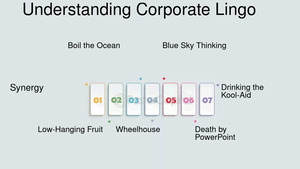
Jargon and Lingo – Decoding the Technical English Phrases of Your Industry
Author : Kumar REducation :Msc ITProfession : Director – Learning & Development, The Kanavu School of English, SivagiriDate : 13.09.2023 Introduction to Industry Jargon and Lingo Understanding jargon in any industry is like unlocking a secret code. It’s a language specific to that field, known as industry-specific technical English. This jargon comprises words and phrases that might sound like gibberish to outsiders but hold immense meaning for those within the industry. It’s like a special handshake that professionals use to communicate efficiently. From medical to tech sectors, every industry has its own set of terms. These are not just words; they represent concepts, procedures, and tools unique to that field. For example, in medicine, terms like “MRI” or “EKG” are part of their industry-specific technical English. They denote crucial medical procedures. So, understanding this jargon is like having a backstage pass to the workings of a profession. It’s a skill that can open doors and lead to deeper insights in any field. Importance of Understanding Technical Phrases Mastering industry-specific technical English is akin to holding a powerful key. It unlocks a realm of communication and competence within a particular field. When you understand the jargon of a profession, it’s like being fluent in a language that only experts speak. This proficiency not only allows for smoother interactions among colleagues but also showcases a level of expertise and confidence. Imagine a doctor explaining a complex procedure using medical jargon; it’s precise and leaves no room for misunderstandings. Similarly, in engineering or IT, understanding the technical language ensures projects progress without hitches. It’s like the lubricant that keeps the cogs turning smoothly in a machine. So, whether you’re in healthcare, law, or any other industry, comprehending the industry-specific technical English is the gateway to becoming a proficient and effective professional. Common Technical Terms Delving into industry-specific technical English reveals a world of specialized vocabulary. These are the terms that professionals use within their specific fields, often referred to as English jargons. Take the realm of computing, for example. Phrases like “algorithm” or “source code” might seem baffling, but they’re crucial to software development. An algorithm is like a set of instructions for a computer, while source code is the human-readable version of a program. In the legal sphere, terms like “affidavit” or “defendant” are part of their industry-specific technical English. An affidavit is like a sworn statement, and a defendant is the person being accused in a legal case. Understanding these terms is like having a special decoder for each profession. It not only facilitates communication but also showcases a deeper grasp of the field. Tips for Deciphering Technical English Understanding industry-specific technical English can seem like deciphering a secret code, but fear not, there are strategies to make it more accessible. Firstly, immerse yourself in the field. Read articles, books, and blogs related to your industry; this exposure helps familiarise you with the common English jargons used. Secondly, don’t hesitate to ask questions. Engage with professionals in your field, seek clarification when you come across unfamiliar terms. It’s like having a personal guide through the linguistic maze. Thirdly, use available resources. There are glossaries, dictionaries, and online forums dedicated to industry-specific language. Treat them like your trusted companions. Lastly, practise, practise, practise. Write, speak, and use the terminology regularly. It’s like learning a new language; the more you use it, the more fluent you become. So, with these strategies in your arsenal, you’ll find yourself navigating industry-specific technical English with confidence. Benefits of Mastering Industry Jargon Mastering industry-specific technical English isn’t just about words; it’s about empowerment. When you become fluent in the jargon of your field, you’re unlocking doors to new opportunities. It’s like having a special key that opens the gates to career advancement. Employers value professionals who can navigate the language of their industry with ease. It demonstrates a deep understanding and competence, making you an asset to any team. Moreover, it boosts your professional confidence. Imagine being in a meeting where everyone is speaking in English jargons, and you not only understand but contribute meaningfully. It’s like having a superpower in the professional world. It sets you apart and gives you an edge in your career. So, investing time in mastering industry-specific language is an investment in your own success. Conclusion: Empowering Your Industry Language Skills In conclusion, becoming proficient in industry-specific technical English is akin to acquiring a powerful tool in your professional arsenal. It’s not just about words; it’s about empowerment. Understanding the English jargons of your field not only facilitates seamless communication but also showcases a level of expertise that can propel you forward in your career. It’s like having a secret code that grants you access to a higher level of understanding and competence within your industry. This proficiency instils confidence and opens doors to new opportunities, ultimately leading to professional growth and success. So, investing time and effort in mastering industry-specific language is not only beneficial, but it’s also a strategic move towards a more accomplished and thriving career. Keywords: Industry-specific technical English, English jargons

“Making Friends with English”: Engaging Phrases to Connect with Native Speaker
Author : Kumar REducation :Msc ITProfession : Director – Learning & Development, The Kanavu School of English, SivagiriDate : 07.09.23 Introduction Making friends with English speakers, a delightful endeavour, involves not only learning the language but also forming connections with native speakers. It’s crucial because it immerses you in real English conversation, helping you grasp nuances and slang. Engaging phrases for English chats are your passport to camaraderie. Begin with cheerful greetings like “Hello, how are you today?” or “Nice to meet you.” Express interest with “Tell me more” or “I’d love to hear your thoughts.” Share opinions using “In my view” or “I couldn’t agree more.” Politely express, “May I join the conversation?” Express enthusiasm with “I’m thrilled about” or “I can’t wait to.” Endearing phrases like “You’re a great friend” or “Thanks for your support” foster lasting friendships. Making friends with English speakers is not just about language; it’s about sharing experiences and building relationships Find Common Ground When aiming to make friends with English speakers, finding common ground is the bridge to meaningful conversations. Start by discussing your interests, whether it’s hobbies, movies, or books you enjoy. Inquire about their hobbies while demonstrating genuine interest. Discovering shared passions is a powerful way to connect, sparking engaging English conversations. Whether it’s a mutual love for a particular sport, a fondness for travel, or an appreciation for music, common interests create a sense of camaraderie. Engaging phrases like “I’m also a fan of…” or “What do you think about…?” can ignite exciting discussions. By finding common ground and using these engaging phrases for English, you not only enhance your language skills but also form lasting friendships based on shared experiences and interests. Be Yourself In the quest to make friends with English speakers, authenticity is your most potent weapon. Don’t try to be something you’re not. Making meaningful connections requires being sincere and authentic. People are more likely to want to be friends with you when you embrace your true self. Authenticity transcends language barriers and fosters trust. Engaging in English conversation while being yourself is liberating, allowing you to express your thoughts, emotions, and quirks genuinely. Use engaging phrases for English conversations to articulate your feelings and ideas honestly. Embrace phrases like “This is how I see it” or “I really appreciate your honesty.” By being authentic and using engaging English phrases, you not only enhance your language skills but also attract friends who appreciate you for who you are. So, in the journey to make friends with English speakers, remember to be yourself, for it’s the most captivating version of you. Be Open-Minded To successfully make friends with English speakers, cultivate an open mind. This entails a willingness to learn about different cultures and perspectives. Embrace curiosity and ask questions about their traditions, beliefs, and experiences. It’s essential to be receptive to new experiences and step out of your comfort zone. Engaging in activities that are unfamiliar to you can lead to memorable interactions and connections. An open-minded approach not only enriches your English conversation but also fosters meaningful friendships. Engage with diverse perspectives and remain open to alternative viewpoints. By doing so, you not only expand your horizons but also create an environment where friendships can flourish. In English conversations, express your interest in learning from others and trying new things. Utilize engaging phrases for English like “I’d love to learn more about your culture” or “Let’s try something new together.” Embracing an open-minded outlook paves the way for genuine connections with English speakers. Be Patient When aiming to make friends with English speakers, patience is key. Building friendships, especially across language and cultural barriers, takes time. Don’t be disheartened if you don’t form immediate connections. Instead, focus on consistent efforts to improve your English conversation skills and engage with English speakers regularly. Persistence pays off, and as you continue practicing your English and interacting with others, you’ll gradually establish meaningful friendships. Remember that friendships are nurtured over time, and the process may involve setbacks and challenges. Stay motivated, maintain a positive attitude, and don’t give up. Use engaging phrases for English like “I’m eager to improve my language skills” or “Let’s keep in touch and continue our conversations.” By being patient and persistent, you’ll not only enhance your English proficiency but also forge lasting connections with English speakers. Use Engaging Phrases To make friends with English speakers, employing engaging phrases is invaluable. These phrases can serve as conversation starters, helping you connect with others more effectively. You can inquire, for instance, “What do you enjoy doing in your free time?” This not only expresses interest in their hobbies but also paves the way for potential shared activities. Additionally, asking “Where do you hail from?”encourages cross-cultural exchanges and shows curiosity about the person’s background.To cultivate stronger connections, you can also inquire about their interests using “What are you passionate about?” Expressing your willingness to learn, say, “I’m learning English. Can you help me with this?” invites collaboration. Lastly, if you’re new to an area, seek assistance with “I’m new here. Can you show me around?” Conclusion In conclusion, the journey to making friends with English speakers offers numerous benefits. Not only does it provide an avenue to enhance your English conversation skills, but it also opens doors to diverse cultures and viewpoints. By embracing the cues and engaging phrases provided, you can foster connections and build meaningful relationships. While patience and authenticity are crucial, the effort you invest in making friends with English speakers can result in a rewarding experience. Through conversations and shared experiences, you can broaden your horizons and create lasting bonds. So, take the initiative, find common ground, and be open-minded – the path to meaningful English connections awaits. Keywords: English conversation, Make friends with English speakers, Engaging phrases for English

“Travel Talk”: English Phrases to Navigate Your Next Adventure Abroad
Author : Kumar REducation :Msc ITProfession : Director – Learning & Development, The Kanavu School of English, SivagiriDate : 30.08.2023 Introduction When embarking on an adventure abroad, the ability to communicate effectively becomes invaluable. The significance of using English travel phrases cannot be overstated. These phrases act as bridges, connecting you with locals and helping you navigate unfamiliar territories with ease. Clear communication not only assists in understanding directions, ordering food, or seeking help during emergencies, but it also fosters cultural connections. Even a simple greeting or expressing gratitude in the local language can open doors and create memorable experiences. In this blog, we delve into a collection of essential travel phrases in English, designed to enhance your journey by breaking language barriers and fostering meaningful interactions. So, let’s dive into the world of words that make your adventures abroad richer and more fulfilling. Essential Greetings and Introductions Navigating foreign lands becomes a breeze with the magic of English travel phrases for greetings and introductions. Simple yet powerful, these phrases bridge gaps and create connections. A friendly “hello” or “how are you?” can spark an exchange of thoughts or expose you to someone or something fresh. Meaningful encounters begin with polite greetings like “My name is…,” “What’s your name?” and similar phrases. These phrases build a positive rapport, breaking down barriers as you immerse yourself in new cultures. Whether you’re meeting locals, fellow travelers, or making new friends, mastering these fundamental greetings empowers you to embrace each adventure with confidence and a genuine smile. So, as you step into the world, carry these English travel phrases like treasures in your pocket, ready to ignite connections wherever your journey takes you. Asking for Directions in the maze of travel, English travel phrases for asking directions are your trusty guide. When streets are unfamiliar and maps seem puzzling, these phrases step in to save the day. Asking for directions is simple with polite questions like “Excuse me, can you help me find…?” or “Which way to…?” Navigating becomes smoother as you grasp terms like “left,” “right,” “straight ahead,” and “around the corner.” From bustling markets to hidden gems, understanding responses about landmarks and distances ensures you’re on the right track. These phrases forge connections with locals, fostering interactions beyond mere navigation. So, as you explore new horizons, carry these linguistic tools with you. Armed with these English travel phrases, you’ll not only reach your destination but also create tales of memorable encounters along the way. Ordering Food and Drinks When exploring new cuisines, English travel phrases for dining out are your culinary companions. From quaint cafes to bustling bistros, these phrases let you savour local flavours with confidence. Polite requests like “Could I have the menu, please?” or “What do you recommend?” pave the way for delightful experiences. Understanding terms for dietary preferences, such as “vegetarian” or “gluten-free,” ensures you enjoy meals tailored to your tastes. When ordering, phrases like “I’ll have…” and “May I get…” empower you to indulge in delicious dishes and refreshing drinks. These phrases, like keys to a delectable world, unlock memorable gastronomic journeys. So, as you embark on culinary explorations, let these English travel phrases be your passport to savoring the essence of each destination, one bite at a time. Shopping and Negotiating Unveil the art of smart shopping with English travel phrases, your allies in marketplaces. As you weave through vibrant stalls and charming boutiques, these phrases empower you to explore treasures and engage in friendly bargains. Polite questions like “How much is this?” and “Is there a discount?” aid in understanding prices and opening the door to haggling. Phrases such as “Could you give me a better price?” let you engage in lively negotiations, enhancing your shopping experience. From textiles to souvenirs, mastering these phrases transforms transactions into cultural exchanges. As you immerse yourself in local markets, these English travel phrases not only help you discover unique items but also create connections with artisans and vendors, turning every purchase into a memory to cherish. Emergency Situations and Help In unforeseen circumstances, English travel phrases become your safety net, offering reassurance and aid. When facing unexpected challenges, these phrases equip you to seek assistance with confidence. Can you assist me? and “I need help” express urgency, whereas understanding responses like “Police station” or “Hospital” point you in the direction of the essential assistance. Phrases like “Call an ambulance” or “I’ve lost my belongings” communicate specific needs clearly. These English travel phrases also encompass understanding safety directions such as “Fire exit” and “Where’s the nearest exit?” to ensure your well-being. In emergencies, clear communication bridges gaps and connects you with locals and authorities, lending a sense of security to unfamiliar situations. By mastering these phrases, you fortify yourself with the knowledge that, even in challenging moments, you’re equipped to handle whatever comes your way.

“English for Business”: Must-Know Phrases for Professional Success
Author : Kumar REducation :Msc ITProfession : Director – Learning & Development, The Kanavu School of English, SivagiriDate :23.08.2023 Introduction: Why is business English important? Business English plays a crucial role in the professional world. It’s essential for effective communication in various business contexts, such as meetings, presentations, emails, and negotiations. Being proficient in business English can help individuals convey their ideas clearly, build strong relationships with clients and colleagues, and make a positive impression. It’s a tool that empowers professionals to communicate confidently and competently, regardless of their industry or job role. Whether you’re discussing strategies with international partners or drafting reports for your team, having a solid grasp of business English can enhance your credibility and contribute to your overall success. In this blog, we’ll explore some Must-Know Business English Phrases that can give you a competitive edge and help you navigate the business landscape more effectively. The basics of business English Effective communication is crucial in the business realm. Understanding the basics of business English, such as proper grammar and essential vocabulary, can make a significant difference in how professionals interact with colleagues, clients, and partners. Simple things like using correct tenses in emails, addressing people appropriately, and structuring sentences well can help convey professionalism and build trust. Mastering common business terms and expressions can also enable smoother conversations and prevent misunderstandings. Whether you’re introducing yourself in a meeting or discussing project details, having a strong foundation in business English ensures that your message is conveyed accurately and effectively. Let us explore the Must-Know Business English Phrases that form the building blocks for successful communication in the business world. Introduction: Why is business English important? Business English plays a crucial role in the professional world. It’s essential for effective communication in various business contexts, such as meetings, presentations, emails, and negotiations. Being proficient in business English can help individuals convey their ideas clearly, build strong relationships with clients and colleagues, and make a positive impression. It’s a tool that empowers professionals to communicate confidently and competently, regardless of their industry or job role. Whether you’re discussing strategies with international partners or drafting reports for your team, having a solid grasp of business English can enhance your credibility and contribute to your overall success. In this blog, we’ll explore some Must-Know Business English Phrases that can give you a competitive edge and help you navigate the business landscape more effectively. The basics of business English Effective communication is crucial in the business realm. Understanding the basics of business English, such as proper grammar and essential vocabulary, can make a significant difference in how professionals interact with colleagues, clients, and partners. Simple things like using correct tenses in emails, addressing people appropriately, and structuring sentences well can help convey professionalism and build trust. Mastering common business terms and expressions can also enable smoother conversations and prevent misunderstandings. Whether you’re introducing yourself in a meeting or discussing project details, having a strong foundation in business English ensures that your message is conveyed accurately and effectively. Let us explore the Must-Know Business English Phrases that form the building blocks for successful communication in the business world.

“Slang and Sayings” – Understanding the Hidden Meanings of English Phrases
Author : Kumar REducation :Msc ITProfession : Director – Learning & Development, The Kanavu School of English, SivagiriDate :16.08.2023 Introduction to Slang and Sayings Navigating the intricate terrain of language, “Hidden Meanings of English Phrases” encapsulates the intriguing realm of slang and idiomatic expressions. These linguistic gems, born from cultural nuances, encapsulate meanings beyond their literal interpretations. Slang, often shaped by societal trends and generational shifts, adds vibrancy and depth to conversations. Idioms, on the other hand, employ figurative language to convey abstract concepts with creativity. The importance of grasping these linguistic nuances cannot be overstated; they foster effective communication by enabling individuals to connect on a deeper level, enhancing comprehension and relatability. As idioms and slang seamlessly interweave into daily discourse, their exploration unlocks the tapestry of a language enriched by subtle subtleties. Understanding these expressions is akin to decoding a secret language that bridges gaps and enriches the fabric of communication, rendering interactions more engaging, captivating, and culturally rich. Exploring Cultural Context The rich tapestry of language is woven with idiomatic expressions that transcend mere words, encapsulating cultural values and experiences. For instance, the British saying “Bite the bullet” originates from the practice of soldiers biting on bullets during surgery to endure pain, symbolizing facing a difficult situation with courage. In American English, the phrase “Hit the hay” refers to going to bed, alluding to the days when beds were stuffed with hay. In both cases, these expressions are rooted in historical contexts, revealing cultural insights. Similarly, the Australian idiom “Bring a plate” invites guests to bring a dish to a gathering, exemplifying the laid-back nature of Australian hospitality. Understanding these phrases goes beyond language proficiency; it’s an exploration of the ethos of various societies, each expression carrying a hidden story that connects people and underscores shared experiences. Decoding Figurative Language Delving into the captivating realm of “Hidden Meanings of English Phrases,” we encounter the fascinating world of figurative language, where words transcend their literal meanings to convey nuanced messages. Idioms, laden with metaphors, often defy direct translation, requiring a deeper understanding of context. For instance, the phrase “Break a leg” carries theatrical luck, despite its surface meaning, serving as an encouragement to performers. Similarly, “The ball is in your court” conveys responsibility rather than a sporting event. These examples underscore the importance of deciphering idioms in their intended sense, as their figurative nature adds depth to communication. By unpicking the layers of metaphor and symbolism, we not only enhance language skills but also gain insights into the intricacies of cultural communication. Exploring this terrain invites a richer comprehension of how language thrives in the realm of suggestion and imagery, making conversations more engaging and vibrant. Slang’s Evolution and Popularity The captivating journey through the “Hidden Meanings of English Phrases” leads us to the evolution of slang, a fascinating linguistic realm that showcases both historical roots and contemporary influences. Over time, slang has morphed and adapted, mirroring societal shifts and cultural dynamics. From the vivid language of Elizabethan England to the vibrant jazz era, each generation has imprinted its lexicon with expressions that encapsulate its essence. In today’s digital age, the advent of social media and pop culture has catapulted slang’s popularity, facilitating the rapid dissemination of new phrases. Memes, hashtags, and viral trends shape modern slang, making it a reflection of our fast-paced, interconnected world. As the language landscape continues to evolve, our exploration of slang unveils not only its linguistic allure but also the very pulse of society, where words transcend mere communication to become an intricate tapestry of collective experiences. Navigating Conversational Nuances Embarking on the journey through the “Hidden Meanings of English Phrases,” one delves into the intriguing realm of conversational nuances, where slang plays a pivotal role in enriching language interactions. Grasping the subtle meanings of idioms and slang enhances language skills, enabling individuals to connect more deeply with native speakers and comprehend colloquial contexts. Navigating these nuances requires sensitivity to setting; while slang may be casual and fitting among friends, it might not suit formal situations. It is essential to strike a balance, incorporating slang judiciously to reflect familiarity and cultural awareness without veering into informality. Moreover, remaining attuned to the current trends in slang, often influenced by pop culture and digital platforms, fosters effective communication. By mastering these intricacies, one not only unravels the mysteries of hidden meanings but also crafts a language toolkit that bridges gaps, fosters connections, and navigates diverse linguistic landscapes. Embracing Linguistic Diversity Embracing the captivating world of the “Hidden Meanings of English Phrases,” one unveils the kaleidoscope of linguistic diversity embedded in slang and idiomatic expressions. These linguistic gems not only convey meaning but also mirror the vivid cultural tapestries they originate from. By delving into the origins of these expressions, one discovers a treasure trove of insights into the societies that birthed them. With each unique phrase, a narrative of history, traditions, and societal values emerges, enriching conversations and cross-cultural interactions. These expressions are like brushstrokes that paint a vibrant canvas of language, imbuing conversations with depth and vibrancy. As we celebrate the role of slang and sayings, we embrace the intricate palette of linguistic diversity that adds a tapestry of colours to communication, fostering connections and bridging gaps between cultures and individuals.