
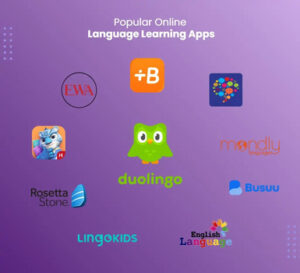
Author : Bavya. SEducation : M.A.,English, M.A.Tamil, Ph.D Research scholar (English)Profession : Content writerDate: 27-12-2023 Learning on the Go using Language Learning Apps In today’s fast-paced digital world, learning a new language has never been easier, thanks to the wide range of language learning apps available at our fingertips. If you are someone just starting their language-learning journey, these apps are designed to cater to all skill levels and preferences. In this blog, let’s see how these apps are helpful. Learning on the Go One of the greatest advantages of language learning apps is their accessibility. With just a smartphone or tablet, you can carry your language lessons wherever you go. This flexibility allows you to make the most of your time, turning those commuting hours or idle moments into productive language-learning sessions. Apps like Duolingo, Babbel, and Rosetta Stone provide bite-sized lessons that fit seamlessly into even the busiest of schedules. Personalized Learning Traditional language learning methods often follow a one-size-fits-all approach. In contrast, language learning apps use artificial intelligence and machine learning algorithms to create personalized learning experiences. These apps track your progress, adapt to your learning style, and offer customized exercises to address your weaknesses. With features like adaptive quizzes and interactive lessons, you can focus on the areas that need improvement, making your learning journey more efficient. Learning through Fun Challenges Learning a language doesn’t have to be a dull and monotonous task. Language learning apps have embraced gamification techniques to make the process engaging and enjoyable. Duolingo, for instance, turns language acquisition into a game where users earn points, complete challenges, and compete with friends. This not only adds an element of fun but also motivates learners to stay consistent and achieve their language goals. Beyond Textbooks and Flashcards Gone are the days of relying solely on textbooks and flashcards. Language learning apps incorporate multimedia elements, such as audio and video content, to enhance the learning experience. Apps like Memrise and FluentU use real-life videos and native speaker dialogues to expose learners to authentic language usage, helping them develop a more natural understanding of pronunciation, intonation, and cultural nuances. Language Learning Apps connecting Worldwide Learning a language is not just about memorizing vocabulary and grammar rules; it’s also about connecting with a culture and its people. Many language learning apps foster community engagement by providing forums, discussion boards, and language exchange features. Platforms like Tandem and HelloTalk connect language enthusiasts worldwide, allowing them to practice with native speakers, share experiences, and gain valuable insights into the language and culture they are learning. Real-Time Feedback Language learning apps bring a revolutionary aspect to the table – real-time feedback. Utilizing advanced speech recognition technology, apps like Pimsleur and Speechling analyse your pronunciation, providing instant feedback. This feature allows you to refine your speaking skills with precision, ensuring that your accent and intonation align closely with native speakers. As a result, you not only learn vocabulary and grammar but also develop the confidence to communicate effectively in real-life situations. Cost-Effective Learning Language learning apps also provide an affordable alternative without compromising on quality. Many apps offer free versions with optional premium features, allowing learners to access a substantial amount of content without breaking the bank. To Sum up In the digital age, language learning apps have evolved into comprehensive and dynamic platforms that cater to the diverse needs of learners. Their innovative features, combined with user-friendly interfaces, make them invaluable tools for anyone seeking to enhance their language proficiency.Happy learning!

Improve English speaking skills by Reading Comic Books
Author : Bavya. SEducation : M.A.,English, M.A.Tamil, Ph.D Research scholar (English)Profession : Content writerDate: 20-12-2023 Improve English speaking skills by Reading Comic Books Do you ever feel like traditional methods of learning English are a bit, well, dull? That’s where comic books come in! They’re vibrant and engaging stories that can revolutionize the way you improve English speaking skills. In this blog post, we’ll explore how diving into the world of comics can be a game-changer for your language journey. Visual Vocabulary Enrichment Comics are a visual delight, offering a vibrant feast for the eyes where words are waiting to be discovered into colourful panels. The combination of images and text makes it easier to grasp new vocabulary in context. As you read, pay attention to how words are used in different situations – it’s like learning language in 3D! Conversational Context in Dialogue Comic book dialogues reflect real-life conversations, providing a glimpse into informal spoken English. By immersing yourself in character interactions, you gain insights into colloquial expressions, slang, and the natural flow of conversation. It’s alike to having a casual chat with friends, only this time, it unfolds on the pages of a comic book. Grammar in Action Ever feel like grammar lessons are too abstract? Comics are here to change that by putting grammar into action. Whether it’s sentence structures or the use of tenses, you get to see English grammar in real-life situations. It’s like effortlessly learning the rules of the language without even realizing it. Moreover, comics are a goldmine for honing reading comprehension skills. The combination of visual cues and text encourages you to infer meaning from context. This skill is invaluable in everyday communication, as you’ll become adept at understanding the nuances of language beyond literal interpretations. Cultural Immersion Comics often reflect cultural nuances, offering insights into idioms, customs, and societal references. Immersing yourself in these cultural snapshots helps you not only learn language but also gain a deeper understanding of the cultural context in which English is spoken. It’s like taking a journey through the pages of a comic! Improved Retention through Engagement Let’s be honest – comics are just plain fun! The joy of reading comics not only makes learning more enjoyable but also enhances engagement. Research suggests that engaged learners retain information better. So, say goodbye to rote memorization and hello to a more entertaining and effective way of learning English. Comic Books for All Ages to Improve English speaking skills If you’re a child or an adult it doesn’t matter. If you are looking to enhance your English skills, let me share some fantastic comic book options that were incredibly helpful for me: Tinkle Digest – This iconic Indian comic book series was a game-changer for me. It features a variety of entertaining stories and is perfect for English learners who are seeking diverse content. Amar Chitra Katha – I highly recommend this popular Indian comic book series. It brings to life tales from Indian mythology, history, and folklore, providing a rich cultural and linguistic experience. Calvin and Hobbes by Bill Watterson – I absolutely loved reading this delightful comic strip in the Hindu newspaper. It explores the imaginative world of a young boy and his stuffed tiger, making it both entertaining and educational. So, based on my own learning journey, I recommend diving into these comics. It made learning English a fun and enjoyable experience for me, and I hope you’ll find them just as helpful. To conclude Comics aren’t just for entertainment; they’re a gateway to improve English speaking skills. So, grab your favourite comic book, dive into the vivid narratives, and watch as your English skills soar to new heights. Happy reading!

English Tongue Twisters: A Fun Way to Sharpen Your Pronunciation
Author : Bavya. SEducation : M.A.,English, M.A.Tamil, Ph.D Research scholar (English)Profession : Content writerDate: 01-12-2023 English Tongue Twisters: A Fun Way to Sharpen Your Pronunciation Have you ever found yourself stumbling over words or struggling to articulate certain sounds in the English language? Well, fear not! There’s a delightful and amusing way to enhance your pronunciation skills: English tongue twisters. These playful phrases not only tickle your tongue but also provide an entertaining method to refine your spoken English. In this blog, let’s explore how tongue twisters can be a fun and effective tool for improving your pronunciation. What are Tongue Twisters? Tongue twisters are sequences of words or phrases that are challenging to articulate rapidly and correctly due to the presence of similar sounds or combinations of sounds. They are designed to trip up even the most skilled speakers, making them an enjoyable exercise for learners of all ages. Why Use Tongue Twisters for Pronunciation Practice? 1. Phonetic Workout: Tongue twisters often contain tricky combinations of consonants and vowels, helping you target specific sounds that might be challenging for non-native speakers. 2. Articulation Improvement: Practicing tongue twisters can enhance the precision of your speech by requiring you to enunciate each word clearly and crisply. 3. Rhythm and Flow: Many tongue twisters have a rhythmic quality that helps you develop a natural cadence and flow in your speech, making your conversations more engaging. 4. Fun and Motivation: The playful nature of tongue twisters adds an element of enjoyment to your language learning journey. It turns what might be seen as a tedious task into a light-hearted challenge. Popular English Tongue Twisters to Get You Started 1. She sells seashells by the seashore, And the shells she sells are surely seashells. So, if she sells shells on the seashore, I’m sure she sells seashore shells. 2. How can a clam cram in a clean cream can? 3. Peter Piper picked a peck of pickled peppers. How many pickled peppers did Peter Piper pick? 4. Six slippery snails slid slowly seaward. 5. Red lorry, yellow lorry. Tips for Effective Practice 1. Begin by saying the tongue twister slowly, focusing on each word. As you become more comfortable, gradually increase your speed. 2. Repetition is key to mastering tongue twisters. Practice them regularly to reinforce the correct pronunciation of challenging sounds. 3. Use your smartphone or a recording device to capture yourself saying the tongue twisters. Listening to your recordings will help you identify areas for improvement. 4. Once you’ve mastered a tongue twister, try tackling more complex ones to continually push your pronunciation skills. To Conclude English Tongue twisters are an entertaining and effective way to enhance your pronunciation skills in English. Incorporate them into your language learning routine, and you’ll find yourself not only speaking more clearly but also enjoying the process of refining your linguistic abilities. So, go ahead, give those tongues a twist, and watch your pronunciation prowess soar!
The Power of Expressing emotions in English Language
Author : Bavya. SEducation : M.A.,English, M.A.Tamil, Ph.D Research scholar (English)Profession : Content writerDate: 06-12-2023 The Power of Expressing emotions in English Language Language is a powerful tool that extends beyond mere communication; it is a vehicle for expressing thoughts, sharing ideas, and conveying emotions. The Power of Expressing emotions in the English Language further amplifies the depth and richness with which individuals can convey their innermost sentiments. In the realm of linguistic diversity, English stands out as a language that beautifully encapsulates the nuances of human emotion. From the subtlest whispers of affection to the thunderous roars of anger, English provides a rich tapestry for expressing the vast spectrum of human feelings The Palette of Words One of the striking features of the English language is its extensive vocabulary, offering an array of words to articulate emotions with precision. Consider the multitude of terms for happiness – from “joy” and “ecstasy” to “elation” and “bliss.” Each word paints a distinct shade on the canvas of emotion, allowing speakers to convey the depth and intricacies of their feelings. Metaphors and Imagery English is like a treasure trove of creative expressions! It’s full of metaphors and imagery that make talking about feelings way more interesting. Imagine a broken heart, the weight on your shoulders, or the warmth of a friendly hug – these aren’t just words, they’re like pictures for your emotions. They go beyond the literal and turn feelings into cool, relatable images, making the whole emotional experience more fun and vivid. Idioms and Expressions English gets even more interesting with its quirky sayings, called idioms! They add a special charm by giving us creative ways to talk about feelings. Just think about phrases like “butterflies in the stomach” or “walking on air” – they’re like little pictures that show how you feel, whether you’re nervous or super happy. These idioms are like shortcuts that instantly tell a whole story about our emotions using just a few words. Rhythm and Tone English is not just about words; it’s like a musical language! The way we say things, with our rhythm, tone, and how our voices go up and down, adds a special touch to expressing emotions. A sentence can sound happy, sad, or excited, just like a song. When we talk in English, the way our words sound makes the feelings even more powerful. It’s like creating a whole experience with our voices that everyone can feel – whether you’re the one talking or listening. Literary Expressions English literature is full of feelings! It has been around for a long time and gives us a ton of ways to express emotions. From old poems by Shakespeare talking about love to new stories diving into how people think, literature makes our language rich with emotions. People who read and write love finding comfort and ideas in the emotional pictures painted by words. It’s like a big, wonderful collection of stories that make us feel all sorts of things! Expressing emotions in English: Language of Empathy English, as a global language, serves as a bridge for people from diverse linguistic backgrounds to connect through shared emotions. Whether through literature, music, or everyday conversation, English facilitates cross-cultural understanding by providing a common platform for expressing joy, sorrow, love, and every emotion in between. To Conclude In the tapestry of human experience, language weaves the threads of emotion, and English stands as a vibrant hue, capturing the depth of feelings. From the power of words to the resonance of literary expressions, English offers a palette for emotional expression that transcends borders. Expressing emotions in the English language becomes a testament to the enduring power of language in a world that thrives on connection.

Benefits of Reading Aloud for Enhancing Fluency and Comprehension
Author : Bavya. SEducation : M.A.,English, M.A.Tamil, Ph.D Research scholar (English)Profession : Content writerDate: 01-12-2023 Benefits of Reading Aloud for Enhancing Fluency and Comprehension Reading aloud is a timeless practice that goes beyond childhood bedtime stories. It is a powerful tool that can significantly enhance language skills, including fluency and comprehension. In this blog post, we’ll explore the benefits of reading aloud, its benefits, and practical tips to incorporate this valuable habit into your daily routine. The Benefits of Reading Aloud Reading aloud is not just for children; it offers a myriad of advantages for individuals of all ages. This section delves into the cognitive, linguistic, and emotional benefits of reading aloud. Choose a paragraph from a book you enjoy and read it aloud. Pay attention to your intonation and how it enhances the emotional tone of the text. From improved vocabulary to heightened comprehension, discover how this simple practice can transform your relationship with language. Building Fluency through Articulation Explore how reading aloud contributes to the development of fluency. By focusing on pronunciation, pacing, and intonation, individuals can refine their spoken language skills. This section provides practical exercises to strengthen articulation, making the reading experience both enjoyable and beneficial. Engage in a fun pronunciation exercise by taking on a tongue twister challenge. For example, try saying, “She sells seashells by the seashore.” Explore a variety of tongue twisters to test your clarity and speed in articulating challenging phrases. Observe how this practice enhances both your pronunciation and fluency skills. It’s a playful yet effective way to refine your spoken language abilities. Enhancing Comprehension through Auditory Learning Reading aloud engages both the visual and auditory senses, promoting better comprehension. Uncover how this practice enhances your ability to understand and retain information. We’ll discuss techniques to actively listen to your own reading, fostering a deeper connection with the material. Read a paragraph silently, then read it aloud. Compare your understanding of the content. You may find that hearing the words reinforces comprehension. Choosing the Right Material Not all texts are created equal when it comes to reading aloud. This section guides readers in selecting suitable materials for this practice. From classic literature to contemporary works, discover the ideal content that aligns with your interests and language goals. Experiment with reading a poem aloud. Notice how the rhythm and cadence of poetry can enhance your reading experience. Creating a Reading Ritual Establishing a consistent reading routine is key to reaping the full benefits of this practice. Learn how to integrate reading aloud into your daily schedule, whether it’s during your morning coffee, lunch break, or before bedtime. Find tips for creating a conducive environment that enhances your reading experience. Set aside 15 minutes each day for reading aloud. Make it a ritual, like a morning or evening routine. Solo or Social: Different Reading Aloud Approaches While reading aloud can be a solitary activity, it also thrives in social settings. This section explores the advantages of both solo and group reading sessions. Whether you prefer the solitude of your thoughts or the dynamic exchange of ideas, there’s a reading aloud approach for everyone. Join a book club or reading group where members take turns reading aloud. Experience the dynamic exchange of ideas and interpretations. Overcoming Challenges and Enjoying the Process Like any skill, reading aloud may present challenges. From overcoming self-consciousness to navigating difficult passages, this section provides practical solutions to common obstacles. Discover how to turn potential stumbling blocks into opportunities for growth and enjoyment. To conclude, the benefits of reading aloud is a multifaceted practice that offers numerous benefits for language development. Whether you’re aiming to enhance fluency, comprehension, or both, incorporating this habit into your routine can be a transformative journey. Start reading aloud today and unlock the full potential of your spoken language skills.
Romantic Rendezvous Flirtatious English Phrases for Love and Dating
Author : Kumar REducation :Msc ITProfession : Director – Learning & Development, The Kanavu School of English, SivagiriDate : 26.10.2023 Expressing Interest When it comes to expressing interest in a romantic context, using Flirtatious English Phrases can create a delightful connection. Subtle compliments and expressions of admiration go a long way in making the other person feel appreciated and valued. Simple gestures like complimenting their smile or expressing admiration for their interests can set a positive tone. Additionally, initiating light-hearted conversations can break the ice and create a comfortable atmosphere for both parties. Asking about their day or sharing a funny anecdote can lead to engaging exchanges. Remember, the key is to be genuine and sincere in your expressions, allowing the connection to develop naturally. These Flirtatious English Phrases not only convey your interest but also lay the foundation for deeper, more meaningful interactions. Creating a Connection Creating a connection in a romantic context involves engaging in sincere and meaningful conversations. This is where Flirtatious English Phrases can truly shine. It’s important to show genuine interest in the other person’s thoughts and experiences. Ask open-ended inquiries that invite people to disclose more about themselves. Furthermore, sharing your own personal interests and experiences helps establish common ground and fosters a deeper understanding. Whether it’s discussing hobbies, travel experiences, or favourite books, finding points of connection strengthens the bond. Remember, authenticity is key. By being open, honest, and interested, you pave the way for a more profound and lasting connection. These Flirtatious English Phrases act as bridges, allowing you to navigate the path to a deeper and more meaningful relationship. Building Chemistry Building chemistry in romantic interactions is an art, and employing Flirtatious English Phrases adds a delightful dimension. Playful banter and light teasing can inject a sense of fun and playfulness into conversations. It’s important to strike a balance, ensuring that the teasing is lighthearted and never crosses into discomfort. Additionally, finding common ground and shared experiences fosters a sense of connection and understanding. This could be anything from similar tastes in music to shared travel experiences. Discussing these shared interests creates a sense of unity and mutual enjoyment. Remember, the goal is to create an environment where both parties feel at ease and can genuinely enjoy each other’s company. Through the use of these Flirtatious English Phrases, you’re setting the stage for a more engaging and enjoyable romantic interaction. Flirting Through Body Language Flirting isn’t just about words; it’s also about the unspoken language of gestures. Flirtatious English Phrases extend beyond verbal communication. Maintaining confident eye contact conveys interest and attraction. It’s a powerful yet subtle way to connect. A genuine smile complements this, radiating warmth and friendliness. Subtle touches and gestures can be equally potent in conveying affection. A light touch on the arm during a conversation or a gentle hand on the small of the back while guiding someone can communicate closeness and intimacy. However, it’s crucial to be attuned to the other person’s comfort level and respect their boundaries. Mastering this non-verbal dialect of flirting enhances the depth and richness of romantic interactions. By integrating these Flirtatious English Phrases into your body language, you create a dynamic and engaging connection. Expressing Affection In the realm of romantic relationships, expressing affection through words holds tremendous power. Flirtatious English Phrases serve as the conduit to convey deep sentiments. Sweet nothings, those whispered endearments, have a magical quality, evoking warmth and intimacy. They create a sense of being cherished and valued. Uttering phrases like “You mean the world to me” or “You are the light of my life” strengthens the emotional connection. It’s about making your partner feel special and treasured, highlighting their significance in your world. Simple acts of verbal tenderness, accompanied by sincere eye contact and a gentle touch, forge a bond that withstands the test of time. These Flirtatious English Phrases are the stitches that weave a tapestry of love and affection, reinforcing the foundation of any romantic relationship. Planning Future Encounters Anticipation is a powerful force in any romantic relationship, and incorporating Flirtatious English Phrases into conversations about future plans can heighten the sense of excitement. Suggesting future outings or activities subtly communicates your interest and commitment. Phrases like “I can’t wait for our next adventure together” or “We should plan a special dinner soon” convey a strong desire to continue building the connection. Moreover, keeping the excitement alive for future dates by playfully teasing about upcoming rendezvous adds a touch of flirtation, keeping the spark alive. It’s about creating a shared vision of the future, a tapestry of experiences waiting to be woven together. By infusing conversations with these phrases, you pave the way for deeper intimacy and a sense of togetherness that extends beyond the present moment. *Keywords*: Flirtatious English PhrasesCATEGORIES:Blog

English for Foodies – Appetizing Phrases to Navigate Any Menu
Author : Kumar R.Education :Msc IT.Profession : Director – Learning & Development, The Kanavu School of English, Sivagiri.Date : 11.10.2023. Essential Food Terminology Mastering English phrases for Foodies is a delightful venture into the world of gastronomy. Starting with vocabulary essentials, knowing terms like ‘al dente’ for perfectly cooked pasta or ‘au jus’ for a dish served with its natural juices, enriches your culinary experience. Understanding menu nuances is key; from ‘à la carte’ for individually priced dishes to ‘prix fixe’ for a set menu, it empowers diners. For international cuisines, dive into diverse terminology, such as ‘dim sum’ in Chinese or ‘tapas’ in Spanish, to truly appreciate global flavours. Catering to special dietary needs is crucial, with phrases like ‘gluten-free’ or ‘vegan-friendly’ ensuring inclusivity. Politeness matters, so know how to graciously decline or request alterations. Whether it’s ‘no onions, please’ or ‘Could I have it cooked medium-rare?’, your dining experience will be enhanced. Deciphering Menus with Confidence Navigating a menu becomes a delightful task with a grasp of English phrases for Foodies. When you encounter terms like ‘à la carte’, know you’re ordering dishes individually, and ‘prix fixe’ signifies a fixed-price menu. Understanding these nuances empowers you to make the best culinary choices. Exploring international cuisines is a journey in itself. From ‘dim sum’ in Chinese cuisine to ‘tapas’ in Spanish, these phrases open up a world of diverse and exquisite flavours. For those with special dietary needs, knowing phrases like ‘gluten-free’ or ‘vegan-friendly’ ensures inclusivity and satisfaction. Additionally, politeness plays a crucial role in dining etiquette. Whether it’s politely requesting a dish to be prepared a certain way or graciously declining certain ingredients, mastering these phrases enriches your overall dining experience. Regional Culinary Delights Exploring different regions means delving into a world of diverse culinary experiences. Knowing English phrases for Foodies enriches this journey. In Italy, understanding ‘al dente’ ensures your pasta is perfectly cooked, while in India, ‘masala’ implies a blend of aromatic spices. Japan introduces ‘umami’, the unique savoury taste that adds depth to dishes. France offers ‘à la mode’, indicating a dish served with ice cream. These phrases are like keys to unlock the essence of each cuisine. Whether you’re savouring paella in Spain or relishing sushi in Japan, having this culinary vocabulary adds a layer of appreciation. It’s not just about food; it’s about immersing in the culture and heritage of a place through its gastronomy. Navigating Dietary Restrictions When it comes to navigating dietary restrictions, understanding English phrases for Foodies becomes invaluable. For those with gluten sensitivities, knowing terms like ‘gluten-free’ and ‘celiac-friendly’ ensures a safe dining experience. Vegetarians look for phrases like ‘meat-free’ or ‘vegetarian-friendly’ to find suitable options. Likewise, individuals with allergies rely on terms like ‘nut-free’ or ‘dairy-free’ for their safety. Moreover, in the ever-growing health-conscious community, ‘low-carb’ or ‘keto-friendly’ options are sought after. Being adept with these phrases not only makes dining out stress-free but also opens up a world of delicious possibilities, regardless of one’s dietary needs. It fosters inclusivity, allowing everyone to enjoy the pleasures of food without compromise. Polite Ordering and Dining Etiquette Polite ordering and dining etiquette are essential for a pleasant dining experience. Using English phrases for Foodies like ‘please’ and ‘thank you’ when placing an order shows respect to the server. Additionally, phrases such as ‘May I have…’ and ‘Could you please…’ convey politeness. When appreciating the meal, saying ‘It’s delicious’ or ‘I enjoyed it’ acknowledges the chef’s efforts. Moreover, if there are any special requests or modifications needed, articulating them courteously ensures they are met. Remembering to say ‘Excuse me’ when needing attention or when leaving the table is a sign of good manners. By incorporating these phrases, one not only enjoys the culinary delights but also contributes to a harmonious dining atmosphere. Expressing Food Preferences and Tastes When it comes to expressing food preferences and tastes, using the right English phrases for Foodies can enhance the dining experience. Saying ‘I’m fond of’ or ‘I have a penchant for’ can eloquently convey one’s liking for certain dishes. If there’s something you’re not particularly fond of, saying ‘I’m not too keen on’ is a polite way to express it. Additionally, using phrases like ‘I’d like to try’ when exploring new cuisines shows an adventurous spirit. If a dish is especially delightful, saying ‘This is exquisite’ or ‘It’s truly delectable’ can be a wonderful compliment to the chef. Remember, politeness matters – ‘Please’ and ‘Thank you’ go a long way in showing appreciation. By mastering these phrases, one can navigate the culinary world with confidence. *Keywords*: English phrases for Foodies.
Mind Your Manners Polite and Courteous English Phrases for Any Situation
Author : Kumar REducation :Msc ITProfession : Director – Learning & Development, The Kanavu School of English, SivagiriDate : 27.09.2023 Introduction to Politeness in Communication Politeness in communication is the cornerstone of effective and respectful interaction. It goes beyond mere words; it reflects consideration for others and a desire to maintain harmonious relationships. Employing Polite English Expressions creates a positive atmosphere and fosters mutual understanding. Simple gestures like using “please” when making a request or offering a warm “thank you” can significantly impact how we are perceived. Furthermore, greetings and farewells are essential in setting a friendly tone. Expressions of gratitude and appreciation acknowledge the efforts of others, making them feel valued. Apologies and excuses demonstrate accountability and a willingness to rectify misunderstandings. Moreover, in situations where help is needed, requesting assistance politely is not only courteous but also effective. Understanding the nuances of politeness in language enriches our communication skills and contributes to a more considerate and inclusive society. By incorporating these Polite English Expressions into our interactions, we not only convey respect but also pave the way for more meaningful and positive connections with others. Greeting and Welcoming Expressions In every social interaction, the way we greet and welcome others sets the tone for the entire conversation. Utilizing Polite English Expressions in these moments creates an environment of warmth and respect. A simple “Good morning” or “Good afternoon” acknowledges the time of day and shows consideration for the person you’re addressing. Adding “Sir” or “Madam” adds an extra touch of formality, which can be particularly appreciated in professional settings. When welcoming someone, phrases like “Please come in” or “Make yourself at home” create an inviting atmosphere, putting guests at ease. Moreover, expressing gratitude for someone’s presence, such as saying “Thank you for coming,” shows appreciation for their time and effort. These small yet impactful gestures go a long way in establishing positive connections and making people feel valued. By incorporating these Polite English Expressions into our greetings and welcomes, we set the stage for meaningful and respectful interactions. Expressions of Gratitude and Appreciation Expressing gratitude and appreciation is an integral aspect of polite communication. When someone extends a kindness, acknowledging it with a heartfelt “Thank you” shows genuine appreciation. Adding specifics, like “Thank you for your help” or “I appreciate your time,” demonstrates attentiveness and strengthens the sentiment. When someone goes above and beyond, saying “I’m truly grateful” expresses a deeper level of thanks. Additionally, acknowledging the effort with phrases like “I’m thankful for your support” conveys sincere gratitude. These Polite English Expressions not only cultivate positive relationships but also encourage a culture of kindness and reciprocity. Furthermore, when working in teams or collaborating on projects, expressing appreciation for a colleague’s contributions fosters a positive working environment. By incorporating these expressions of gratitude and appreciation into our interactions, we create a more considerate and harmonious social and professional landscape. Apologies and Excuses in Polite Language In our social interactions, there are times when offering apologies and providing excuses is not only courteous but also crucial. Using Polite English Expressions in these moments shows respect and consideration for others. When we make a mistake, acknowledging it with a sincere “I’m sorry” demonstrates accountability. Adding details, such as “I apologize for the oversight,” conveys a higher level of sincerity. Additionally, offering an explanation, like “I had an unforeseen circumstance,” provides context without sounding defensive. It’s important to remember that giving excuses should be done sparingly and genuinely. By combining apologies with reasons, we show that we value the other person’s understanding. These expressions of apologies and excuses, when used appropriately, not only mend situations but also strengthen relationships by demonstrating our commitment to honesty and integrity. Requesting and Offering Help Politely Extending and seeking help is an essential aspect of human interaction. Using Polite English Expressions in these instances not only makes the exchange more courteous but also strengthens social bonds. When making a request, starting with “Could you please” or “Would you mind” shows respect for the other person’s time and willingness. Adding “if it’s not too much trouble” further emphasizes consideration for their convenience. Likewise, when offering assistance, expressions like “Can I help you with that?” or “Is there anything I can do?” convey a genuine willingness to support. Additionally, phrases like “Please let me know if you need anything else” make the offer of help open-ended and considerate. By incorporating these polite expressions into our interactions, we create an environment of cooperation and mutual respect, enriching our social connections and making interactions more pleasant for everyone involved. Closing Remarks and Farewells with Courtesy Concluding a conversation with Polite English Expressions is a graceful way to leave a positive impression. Phrases like “It was a pleasure talking to you” or “Thank you for your time” express gratitude and show appreciation for the interaction. Adding “I look forward to speaking with you again” demonstrates eagerness for future engagements. When saying goodbye, “Have a wonderful day” or “Take care” convey well wishes and create a warm atmosphere. In more formal settings, using “Goodbye” or “Goodbye and thank you” maintains professionalism. Additionally, expressions like “Please give my regards to…” or “Say hello to…” extend goodwill to others. These courteous farewells not only leave a lasting positive impression but also pave the way for future interactions to be equally pleasant. By using these expressions, we contribute to a culture of kindness and consideration in our daily interactions. Keywords: Polite English Expressions

“Pop Culture Primer”: English Phrases from TV, Movies, and Music
Author : Kumar REducation :Msc ITProfession : Director – Learning & Development, The Kanavu School of English, SivagiriDate : 27.09.2023 Introduction to Pop Culture Phrases The richness of language often owes a debt to the influence of popular culture. English slang phrases from TV, movies, and music have become an integral part of our everyday conversations. These expressions, often derived from memorable moments in entertainment, provide a shared cultural shorthand. They encapsulate emotions, ideas, and experiences in a way that resonates universally. From catchphrases in beloved TV shows to memorable lines from iconic movies, these linguistic gems not only add flair to our conversations but also serve as a testament to the enduring impact of pop culture on language. Embracing and understanding these references not only enhances our ability to communicate effectively but also connects us to a wider cultural tapestry. So, let’s dive into this linguistic adventure and explore the fascinating world of English slang phrases from TV, movies, and music. Influence of TV Shows on English Television has been a powerhouse of linguistic influence, birthing countless English slang phrases from TV, movies, and music. Iconic phrases and memorable catchphrases have woven their way into our lexicon, becoming part of everyday speech. From rallying cries in political dramas to the witty one-liners of beloved sitcom characters, these expressions carry a cultural weight that transcends the screen. They resonate because they encapsulate moments of humor, drama, or profound insight that stay with us. Think of expressions from popular television series that have become worldwide references, such as “Beam me up, Scotty” from Star Trek as well as “D’oh!” from The Simpsons. These linguistic nuggets are a testament to the power of storytelling and its lasting impact on language. They’re a shared language that connects us through our collective cultural experiences. Movie Quotes That Became Everyday Expressions Certain movie quotes have transcended the silver screen, becoming ingrained in our everyday conversations as English slang phrases from TV, movies, and music. These memorable lines are like linguistic landmarks, instantly recognizable and often used to convey specific emotions or situations. Consider classics like “May the Force be with you” from Star Wars, now invoked for encouragement or luck, or “You can’t handle the truth!” from A Few Good Men, signifying a challenge to face reality. Even in casual banter, we often find ourselves drawing on these iconic lines, which have become a shared language among cinephiles and casual viewers alike. It’s a testament to the enduring power of cinema and its impact on our cultural vernacular. These phrases have an uncanny ability to evoke a whole scene or character with just a few words. Musical Lyrics and Their Linguistic Impact The influence of music on language is undeniable, with English slang phrases from TV, movies, and music leaving an indelible mark on everyday speech. Musical lyrics, in particular, have served as a wellspring of expressions that permeate our conversations. Think of Bob Marley’s “Don’t worry about a thing, ’cause every little thing is gonna be alright” from “Three Little Birds,” offering solace and reassurance. Similarly, Queen’s anthemic “We will, we will rock you” has become a rallying cry for motivation and empowerment. These phrases, often catchy and imbued with emotion, have found their way into our linguistic repertoire. They not only reflect the cultural significance of the songs but also provide a shared language for people from diverse backgrounds, reinforcing the unifying power of music. Understanding Context: When to Use Pop Culture Phrases Incorporating English slang phrases from TV, movies, and music into conversations requires an acute awareness of context and appropriateness. While these expressions can be engaging and relatable, they must be used judiciously. For instance, peppering formal discussions with overtly casual pop culture references may not be well-received. On the other hand, in casual settings or among peers who share a common pop culture lexicon, such phrases can enhance camaraderie and understanding. It’s essential to gauge the atmosphere and the familiarity of the audience before deploying these expressions. Additionally, ensuring that the reference is relevant to the conversation topic is paramount. When used thoughtfully, pop culture phrases can serve as effective communicative tools, fostering connections and injecting a dose of familiarity into our interactions. Embracing Pop Culture in Language Learning In the realm of language learning, incorporating English slang phrases from TV, movies, and music can be an invaluable tool for achieving fluency. These phrases encapsulate the colloquial nuances of the language, offering learners an authentic glimpse into how English is spoken in everyday contexts. They provide an immediate connection to culture and real-life interactions, making the learning process engaging and relatable. Moreover, using such phrases helps break down the barriers between formal textbook English and the dynamic, ever-evolving language used by native speakers. It fosters a deeper understanding of idiomatic expressions and enriches one’s ability to comprehend and participate in informal conversations. By embracing pop culture references, learners not only enhance their language proficiency but also gain a deeper appreciation for the cultural tapestry woven through the English language. *Keywords*: English slang phrases from TV, movies, and music
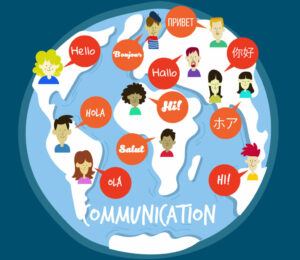
“Breaking the Language Barrier”: Simple English Phrases for Cross-Cultural Communication
Author : Kumar REducation :Msc ITProfession : Director – Learning & Development, The Kanavu School of English, SivagiriDate : 30.08.2023 Introduction: Understanding the Importance of Cross-Cultural Communication In today’s interconnected world, mastering cross-cultural communication is more vital than ever. It’s like having a universal key that opens doors to various cultures and societies. Understanding and being understood in diverse settings is not just a skill, but a bridge that connects people from different walks of life. Effective cross-cultural communication is about more than just words; it’s about respect, empathy, and mutual understanding. It ensures that our messages are received and interpreted as we intend them to be. This is where the importance of using simple English phrases comes into play. They act as the foundation of this bridge, providing a common ground for communication. They are the tools that break down barriers, making conversations smoother and more meaningful. So, in a world that thrives on connection, mastering cross-cultural communication is a powerful asset. Common Challenges in Cross-Cultural Communication In the realm of cross-cultural communication, challenges often emerge from the diverse linguistic backgrounds people come from. It’s like trying to navigate through a conversation when the road signs are written in a different script. Misinterpretations can easily occur, leading to confusion or misunderstandings. Slang, idiomatic expressions, and complex vocabulary can be like stumbling blocks for effective communication. However, by incorporating simple English phrases, these hurdles can be significantly reduced. These phrases act as a bridge, enabling smoother interactions. They serve as a common ground, allowing individuals from different linguistic backgrounds to engage in meaningful conversations. By acknowledging and addressing these challenges, we pave the way for more inclusive and effective cross-cultural communication. It’s about recognising the barriers and equipping ourselves with the right tools to overcome them. Simple English Phrases for Basic Communication In the realm of cross-cultural communication, simplicity is key. Using simple English phrases can be the linchpin to effective initial interactions. These phrases serve as a common ground, allowing individuals from different linguistic backgrounds to connect effortlessly. Starting with basics like greetings, such as “Hello” and “How are you?”, sets a friendly tone. Expressing gratitude with “Thank you” or seeking assistance with “Could you please help me?” are universal courtesies. Moreover, sharing a smile and saying “Nice to meet you” can create an instant bond. In addition, asking open-ended questions like “What brings you here?” encourages dialogue. And if in doubt, a polite “Excuse me, I didn’t understand” is a valuable phrase. These simple English phrases act as bridges, ensuring that the initial step towards cross-cultural communication is smooth and welcoming. Navigating Cultural Sensitivities Through Language In the realm of cross-cultural communication, being aware of cultural sensitivities is paramount. It’s like walking through a garden where each flower represents a unique cultural norm. Using simple English phrases thoughtfully can be a bridge that respects and acknowledges these differences. For instance, addressing someone with their preferred title and surname shows respect. In some cultures, directness is appreciated, while in others, a more indirect approach is valued. Understanding these nuances can prevent unintended misunderstandings. Moreover, using inclusive language that embraces diversity is essential. Expressions like “Please don’t hesitate to express your thoughts” promote candid communication. It’s about recognising that words hold different weights in different cultures. By navigating these cultural sensitivities through language, we create an environment of mutual respect and understanding in cross-cultural interactions. Overcoming Misunderstandings with Clear Expressions In the realm of cross-cultural communication, clarity is the beacon that guides conversations through potential misunderstandings. It’s like using a well-lit path instead of stumbling in the dark. Employing simple English phrases that leave no room for ambiguity is crucial. For instance, using affirmative phrases like “Yes, I understand” or “No, I don’t quite follow” ensures that intentions are crystal clear. When giving instructions, being direct with phrases such as “Please do this” leaves no room for confusion. Additionally, requesting clarification with “Could you please explain that again?” is a valuable tool. It’s akin to turning on a light switch in a dimly lit room. These straightforward expressions serve as a safeguard against misinterpretation. By using language that leaves no room for doubt, we create a path of mutual understanding in cross-cultural interactions. Conclusion: Empowering Effective Communication Across Cultures In conclusion, the power of cross-cultural communication lies in the simplicity of language. Utilising simple English phrases acts as a universal key, unlocking doors to understanding between diverse cultures. It’s like extending a warm handshake in a global conversation. By acknowledging common challenges and respecting cultural sensitivities, we pave the way for meaningful connections. Clarity in expressions serves as a beacon, ensuring messages are received as intended. These takeaways form the foundation for effective communication across cultures. It’s not about erasing our uniqueness, but about finding common ground in the language we share. So, let’s embrace the use of simple English as a tool for mutual understanding, bridging gaps, and fostering harmonious interactions in an increasingly interconnected world. Keywords: Cross-cultural communication, Simple English phrases.