

Mastering English speaking skills with confidence is a valuable asset that opens doors to better social interactions, career growth, and higher education. Many students and professionals are eager to begin speaking English smoothly but feel uncertain about where to start. In reality, anyone can learn spoken English by following the right approach and practicing consistently. Though tutorials may seem challenging at first, you can steadily improve your skills and grow comfortable communicating in English in your daily life. Why You Need a Guide to Learn Spoken English Speaking English fluently is more than just a grammar and vocabulary memorization exercise. The gist of it is practicing, listening, and interacting in real-life scenarios. Having a well-planned and detailed guide to learning spoken English can help one stay focused, sidestep ambiguities and follow a plan that matches the timing of your day. The guide will not only be a help to you in these instances but following it will boost your self-esteem and let you say what you mean without difficulties. Step 1 – Start with Listening Practice Listening carefully to someone speaking English is actually the first step to learning spoken English. You can start by: Watching English videos, movies, or news channels every day. Listening to podcasts or audiobooks with simple language. Noting the pronunciation, the tone, and the structure of the sentences. Listening lets you have a clear picture of sentence formation and the pronunciation of the words which is a prerequisite of your speaking. Step 2 – Practice Speaking Daily If and when you get the feeling that you are more comfortable with your listening skills, you should proceed to speaking. The roadmap of learning spoken English is crucial in keeping you on focus as well as letting you know where exactly you are in your journey. The ways are as follows: Tell in English about what you did today or what you plan to do. Find a friend or family member who is good at English and do practice with him/her. Say short sentences aloud and slowly increase the length and number of your sentences. The habit of speaking every day makes you get over your hesitation and your fluency grows bit by bit. Step 3 – Learn New Vocabulary and Phrases To make a conversation strong vocabulary is very essential. Make it one of your daily habits to learn a few new words and expressions. You may: Note new words in a notebook. Have conversations using these words. Learn phrases that you can use in daily situations such as shopping, traveling, and introductions. This will give you the power to speak fluently and not always searching for the right word. Step 4 – Record and Review Your Speech It is a very good method to record yourself speaking as this way you can very easily see your weak points. Do it this way: Speak about a certain topic or read a text and record yourself. Listen to your recording attentively. Mark the areas where you are not good such as pronunciation, speed, and flow of the sentence. Using this method, you can compare your old and new recordings and focus on the areas where you need more practice. Step 5 – Join Speaking Groups or Online Communities It is easier to learn if you have someone to support, encourage or even practice with. Be in groups where others are also practicing spoken English. A few examples are: English learners’ online forums and social media groups. Clubs or classes that are held in your area where people meet to practice speaking. Apps that find you a native speaker or another learner to talk with. You will keep motivated when you are part of a community and you will have more times to practice as if you are in real-life situations. Continue Practicing With the Guide to Learn Spoken English When you use this guide to learn spoken English, the most important thing is that you should be constant. Do a little practice every day, be patient with yourself, and praise your little successes. Learning a new language is a journey and not a competition. You will be closer to your fluency every time you make an effort. Besides, don’t panic if you make mistakes. Mistakes are inevitable in the learning process. Treat them as an opportunity to learn and get better instead of feeling guilty about them. Why This Guide to Learn Spoken English Works The plan works when a person listening, speaking, learning new words, and practicing consistently. This method allows you to gradually build your confidence and equips you with the necessary skills to speak naturally. Many students that use this approach report their speaking improves faster and gets easier with time. Final Thoughts By following this guide to speak English, you can develop great oral skills and be able to communicate with others on a daily basis. Listening, speaking, learning new words, recording, and joining speaking communities can shape you and equip you with skills that will be with you for a lifetime. No matter where you are and what your level is, doing a little practice regularly and following these simple steps will make you speak clearly and confidently in all situations.

Importance of Communication Skills Training for Secondary School Students in India
Why Communication Skills Matter in Secondary Education In today’s competitive world, students require more than subject knowledge to succeed. They must also know how to express their thoughts clearly, listen actively, and interact confidently with others. For Indian schools, communication skills training has become essential because it prepares students not only for academic success but also for real-life challenges in higher education and careers. Building Confidence in Public Speaking One of the main benefits of communication skills training is the improvement of public speaking. Many students hesitate to participate in debates, presentations, or discussions because of fear and lack of practice. With guided training, they learn to organize ideas, maintain eye contact, and speak with clarity. Over time, this boosts self-confidence and reduces stage fright, enabling students to contribute actively in classrooms and beyond. Improving Teamwork and Collaboration Modern education emphasizes group learning and teamwork. Students often work together on projects, discussions, or extracurricular activities. Without proper communication, teamwork suffers. Through communication skills training, students practice listening, sharing opinions respectfully, and resolving conflicts. These abilities make collaborative learning more effective and prepare students for future professional environments where teamwork is critical. Enhancing Academic and Career Opportunities Strong communication skills directly impact academic performance. Students who can ask questions confidently, explain concepts, and express their viewpoints often perform better in oral exams and interviews. Additionally, when applying for scholarships, internships, or higher studies, their ability to communicate effectively gives them a distinct advantage. Early communication skills training ensures that secondary school students are ready for these opportunities well in advance. Bridging the Urban-Rural Divide In India, many rural schools still focus heavily on rote learning. As a result, students from such backgrounds may face challenges when competing with urban peers in higher education or job markets. Introducing structured communication skills training in secondary schools can reduce this gap. By practicing English and regional language communication in a supportive environment, rural students gain the same confidence and exposure as their urban counterparts. Real-Life Applications Beyond School The importance of communication is not limited to academics. Whether it is participating in community events, engaging in social causes, or simply interacting with peers, good communication builds positive relationships. Training at the secondary school stage equips students with lifelong skills that benefit both personal and professional growth. This is why investing in communication skills training is considered an essential part of holistic education in India.
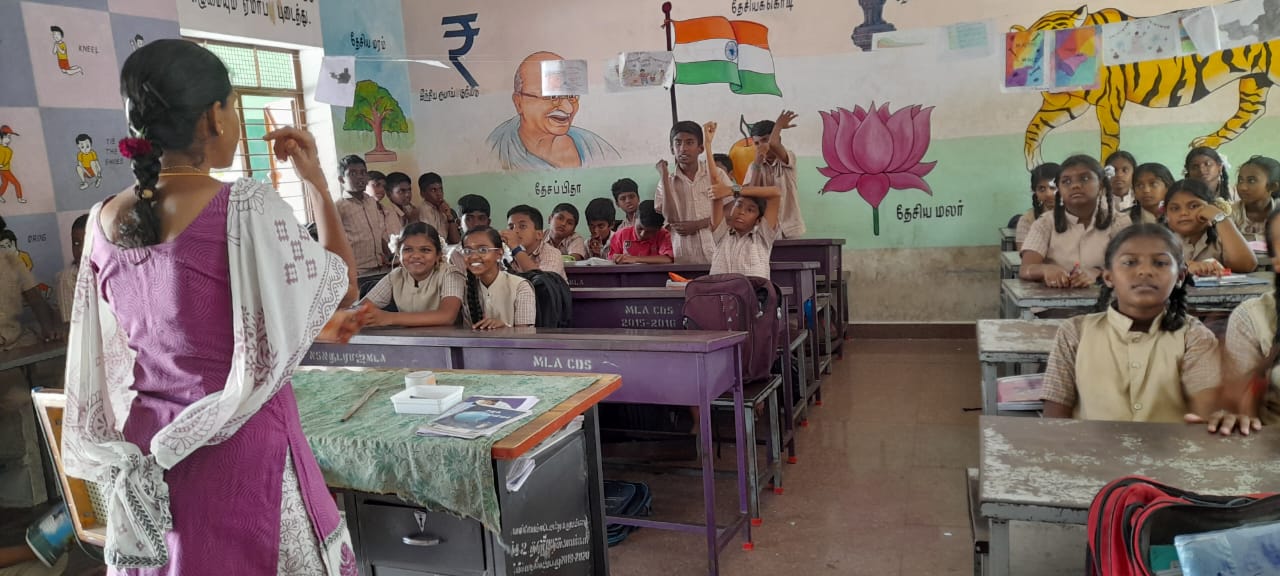
Practical Spoken English Exercises Enhancing Student Participation in Classrooms
Why Spoken English Matters in Schools In many classrooms, students hesitate to speak up because they lack confidence in English. They may understand lessons but struggle to express themselves clearly. Simple, practical spoken english exercises can bridge this gap and encourage active participation. By creating structured opportunities to speak, teachers help students build confidence, improve fluency, and overcome hesitation in using the language. Interactive Group Activities One effective way to introduce spoken english exercises is through group discussions. Dividing students into small teams and assigning everyday topics allows them to share ideas without pressure. Role-plays, debates, or storytelling sessions also give students real-life contexts for practicing English. These activities make the classroom more engaging while improving listening and speaking skills together. Daily Practice and Routine Conversations Students benefit from short, daily speaking tasks. For instance, a “word of the day” exercise or a short question-answer session at the start of class creates a habit of speaking in English. Over time, these consistent spoken english exercises remove the fear of making mistakes and make communication feel more natural. Even shy students begin to participate actively because the tasks are simple and supportive. Using Technology and Audio-Visual Support Modern classrooms can enhance spoken English practice with videos, recordings, or language apps. Students can listen to short dialogues and then recreate them with their classmates. Audio-visual methods make learning enjoyable and connect language to real-world situations. Teachers who integrate these tools ensure that their spoken english exercises are both effective and relatable. Building Confidence Through Positive Feedback The success of spoken English training depends on encouragement. Teachers should focus on participation rather than perfection. Applauding effort, correcting gently, and highlighting progress motivate students to try harder. This approach turns spoken english exercises into confidence-building steps rather than stressful tests. When students feel supported, their willingness to engage in class grows naturally. Beyond the Classroom Practical exercises should not remain limited to school hours. Encouraging students to speak English at home with siblings or friends extends practice beyond the classroom. School clubs, morning assemblies, or even small competitions can also provide platforms for students to showcase their speaking progress. These practices strengthen the link between classroom learning and real-life communication.
Peer Communication Skills Shaping Future School Leadership Programs
Strong leadership often begins with the ability to communicate clearly and confidently. In schools, peer communication skills are more than just social interactions—they are the foundation for collaboration, teamwork, and leadership development. When students learn to express themselves, listen actively, and support each other, they prepare for roles that extend beyond the classroom. The Importance of Peer Communication in Schools Many students excel academically but hesitate to speak up among their peers. Peer communication skills help bridge this gap by encouraging openness and trust.Group discussions, debates, and project collaborations allow students to practice expressing ideas while respecting different perspectives. These interactions build both confidence and empathy—two qualities essential for leadership. Peer Communication Skills as a Training Ground for Leadership Every leadership role begins with effective communication. In classrooms, students who can guide their peers, share knowledge, and resolve small conflicts naturally take on leadership responsibilities. Activities such as class council discussions, team presentations, and collaborative problem-solving exercises give students real-world practice in leading through communication. These experiences prepare them for larger responsibilities later in life. Collaboration Over Competition Peer communication skills encourage teamwork rather than rivalry. When students learn to listen, provide constructive feedback, and motivate each other, they cultivate a sense of shared success. This culture of collaboration strengthens leadership programs in schools, ensuring that every child understands the value of working together toward a goal. The Long-Term Benefits Students who develop strong communication skills early are more likely to become confident leaders in higher education and professional careers. They adapt well in group settings, take initiative, and foster inclusivity—traits highly valued in any field. Schools that prioritize peer communication create future leaders who not only succeed individually but also uplift those around them. At Kanavu School, peer communication is woven into everyday learning. By encouraging open dialogue, teamwork, and shared responsibility, the school is shaping students who grow into leaders ready to make a meaningful impact.

Beyond Grammar Nurturing Real World Communication Skills for School Students in India
In today’s fast-changing world, success is no longer defined only by grades or perfect grammar. Beyond Grammar, the true measure of growth lies in how well students can express ideas clearly, work with others, and adapt to diverse situations. That’s why real-world communication skills for school students in India are now recognized as equally vital as academic excellence. Why Communication Is More Than Just Words Communication is not just about speaking or writing correctly. It is about making connections. A student may have an impressive vocabulary, but if they cannot explain a concept to a teammate or share their perspective with confidence, the message is lost. Schools are now recognizing that language is a living skill—one that grows through interaction, creativity, and problem-solving, rather than only through memorizing grammar rules. The School as a Communication Lab Imagine a classroom where students don’t just answer questions but also design presentations, participate in debates, and role-play real-life situations. This environment acts as a training ground for essential communication abilities. Group discussions encourage active listening, while project-based learning helps students learn how to structure ideas for different audiences. In these moments, lessons extend beyond textbooks, preparing students for life beyond school walls. Building Real-World Confidence in Students The Value of Everyday Conversations A major part of developing real world communication skills for school students in India is learning to be comfortable in everyday situations. Greeting a visitor, introducing themselves in a new group, or even asking a thoughtful question in class can help children gain self-assurance. These simple acts develop a foundation that later supports job interviews, public speaking, and leadership roles. Skills That Shape Futures Modern workplaces require more than technical expertise. Employers often say they value people who can present ideas clearly, negotiate solutions, and collaborate with diverse teams. When students are exposed early to public speaking events, drama clubs, or community projects, they learn to communicate under different pressures and adapt their style for varied audiences. These are skills that last far longer than any single exam result. Technology as a Communication Partner While face-to-face interaction remains crucial, technology has opened new ways for students to practice and improve their communication. Digital tools allow them to create podcasts, participate in online debates, and connect with peers across the globe. This not only broadens their perspective but also teaches them how to adjust tone and format depending on the medium—be it a video call, email, or collaborative document. Teachers as Guides, Not Just Instructors Educators play a critical role in shaping confident communicators. Rather than correcting every small grammar slip, many teachers now focus on helping students express their thoughts without fear. They create safe spaces for trial and error, encourage curiosity, and model respectful dialogue. When teachers actively listen to students’ ideas, it sends a powerful message: your voice matters. Preparing for the Unseen Challenges Ahead The world our students will graduate into is unpredictable. Automation and artificial intelligence are changing industries rapidly, but human communication remains irreplaceable. Those who can build relationships, explain complex ideas simply, and inspire others will stand out. That’s why embedding real world communication skills for school students in India into everyday learning is an investment in their future.

Why spoken English workshops in schools build better future communicators
In today’s globalized world, communication skills are more than just a “nice-to-have.” They’re essential. Among all forms of communication, spoken English stands out as a vital skill that opens doors to academic, professional, and personal success. This is why spoken English workshops in schools have become a powerful tool in shaping confident, capable future communicators. The Classroom Isn’t Enough Most students learn English as a subject, not a language. Traditional classroom instruction focuses heavily on grammar, reading, and writing—while speaking fluently is often ignored. But the real world demands the ability to speak, listen, and express thoughts clearly. Spoken English workshops in schools fill this gap by giving students structured, practice-oriented speaking opportunities. These sessions allow students to experience real-time conversations, improve pronunciation, and overcome hesitation. How Workshops Build Communication Skills 1. Focus on Practical Speaking These workshops shift the emphasis from rote memorization to real-world language use. Students engage in activities like debates, storytelling, role-plays, and group discussions. These experiences strengthen fluency and vocabulary without fear of judgment. 2. Encouraging Participation Unlike traditional classrooms, workshops create a relaxed environment where students feel safe to make mistakes. This encourages even the shyest students to speak up, building self-confidence over time. 3. Cultural and Contextual Relevance Workshops often include examples from Indian contexts—local festivals, traditions, current issues—which make English learning more relatable and relevant. Creating Future Communicators The ability to speak well doesn’t just benefit students academically—it transforms how they interact with the world. Spoken English workshops in schools help develop: In fact, schools that consistently hold such workshops have reported improvements in student engagement, participation, and overall personality development. Stories That Inspire At a government school in Tamil Nadu, a monthly spoken English workshop turned timid learners into confident speakers. One student, Meera, delivered a flawless speech in front of 500 attendees at a state-level event—just six months after joining the program. In a rural school in Uttar Pradesh, teachers noticed better exam performance after students began participating in weekly English speaking sessions. Improved comprehension and vocabulary led to stronger academic outcomes across subjects. These are just glimpses of how transformative consistent practice can be. Why Parents and Schools Should Support It Investing in spoken English workshops is one of the most affordable and effective ways to future-proof a child’s development. In a world where interviews, presentations, and global collaborations are routine, the ability to speak English fluently is no longer optional—it’s a life skill. Workshops give children the tools to: Conclusion: Speak to Lead Spoken English is not just about accent or grammar—it’s about being heard, understood, and respected. By integrating spoken English workshops in schools, we’re not just teaching a language—we’re training a generation to lead with clarity, empathy, and confidence.
Why Spoken English Skills Are the Missing Link in Today’s School Education
Introduction In an increasingly globalized world, communication is key. While schools focus heavily on academics, one critical area is still overlooked — spoken English in schools. Students may excel in reading and writing, yet struggle to express their thoughts confidently in spoken English. This gap can affect their academic performance, social interaction, and career prospects in the long run. The Importance of Spoken English in Schools Spoken English is not just a skill—it’s a bridge to opportunity. Students who speak English fluently often have better access to higher education, global jobs, and leadership roles. Yet, many schools emphasize grammar and written exercises over real-time communication. By integrating structured speaking practice, group discussions, and presentations, schools can significantly uplift student confidence and performance. Barriers That Prevent Fluency There are several reasons why students struggle with spoken English in schools. First, fear of making mistakes often stops them from trying. Second, traditional classroom environments rarely encourage free-flowing dialogue. Finally, in many non-English-speaking regions, exposure to the language is limited to textbooks, making real-world usage rare and intimidating. How Schools Can Close the Gap To address these challenges, schools must introduce spoken English as a core element of the curriculum. Teachers can facilitate role-play activities, peer conversations, and storytelling sessions. Morning assemblies and classroom interactions can be conducted partially in English. Encouraging even a few minutes of daily spoken English practice builds fluency over time. Moreover, technology can play a key role. Schools can use language learning apps, interactive videos, and virtual exchange programs to expose students to native speakers. These digital tools provide a safe, engaging space for practice outside traditional classroom walls. Building Confidence Through Spoken English in Schools Confidence plays a vital role in language development. When students are regularly encouraged to speak in a judgment-free setting, they begin to view mistakes as learning steps rather than failures. Spoken English in schools becomes effective only when it’s supported by a positive, supportive environment. Benefits Beyond the Classroom Mastering spoken English brings lifelong benefits. From performing well in interviews to participating in global discussions, students gain an edge in both academics and careers. Additionally, effective communication strengthens interpersonal relationships and fosters better teamwork. Conclusion Spoken English in schools is more than a language lesson—it’s an investment in student potential. By reshaping traditional methods and embracing interactive learning, schools can unlock new levels of confidence, competence, and global readiness in their students.

Fluency and Confidence: The New Essentials in 21st Century Classrooms
Introduction In today’s rapidly evolving educational landscape, fluency and confidence have emerged as the new cornerstones of success in 21st century classrooms. As traditional learning environments give way to more dynamic, student-centered approaches, the focus has shifted towards building communication fluency, digital literacy, and self-assuredness among learners. These essential skills not only enhance academic performance but also prepare students to thrive in collaborative, tech-driven, and globally connected classrooms. Discover how nurturing fluency and confidence is reshaping modern education and empowering the next generation of learners. 1. Why Communication Skills Matter Now More Than Ever From group projects to job interviews, communication defines opportunity. Students who can express ideas clearly tend to: Soft skills are now a top priority for employers and higher education institutes. 2. Daily School Routines That Make a Difference Many schools are introducing low-cost, high-impact practices like: Such habits improve fluency, reduce fear, and promote inclusive learning. 3. Bridging the Urban-Rural Divide In many rural or government schools, spoken English is seen as a hurdle. Initiatives by NGOs and educators are helping: 4. Long-Term Benefits of Confident Students When students speak up confidently, they also: Fluency opens doors not just to academic success but also to personal growth. 5. The Role of Teachers and Parents Teachers must model good communication, encourage dialogue, and create a safe space for students to speak. Parents should support communication at home by reading with children, encouraging questions, and creating time for free conversation. Conclusion Fluency and confidence are no longer optional—they are the currency of the future. Schools that nurture these soft skills are investing in real-world readiness. In the 21st-century classroom, the ability to speak clearly may be as important as the ability to solve equations.

Speaking Up: How English Morning Circles Are Changing Confidence in Classrooms
The Power of a Morning Routine In India’s under-resourced schools, a simple daily habit is revolutionizing the way children learn English: English speaking activities for students, starting first thing in the morning. These “English Morning Circles” aren’t just an exercise in communication — they’re a growing movement of student confidence and classroom connection. Each morning, students gather in a circle and speak in English, sharing stories, reading news, expressing ideas, or engaging in quick conversations. It takes just 10 minutes but has a lasting impact. The result? A classroom culture that encourages speaking up, trying new things, and learning without fear. Building Confidence Through English Morning Circles In many Indian schools, English is taught like a subject — memorizing grammar, reading textbooks, and writing answers. But rarely is it practiced as a spoken language. This gap leaves many students afraid to speak, even if they understand the rules. That’s where English speaking activities for students come in. Morning circles create a safe, non-judgmental space where students are encouraged to try, fail, and try again. It’s not about perfection — it’s about participation. Over time, children who once hesitated to speak a word of English begin forming complete sentences. Confidence builds, and that growth shows in all areas — better class participation, improved academic performance, and more social courage. Breaking the Fear of Mistakes The fear of making mistakes is one of the biggest barriers to learning a new language. In traditional classrooms, students often hold back because they’re afraid of mispronouncing words, using the wrong grammar, or being laughed at. English morning circles flip this mindset. In these sessions, mistakes are welcomed — even celebrated — as signs of effort. This freedom allows students to relax, experiment, and enjoy learning. By removing fear, these speaking activities boost resilience, self-esteem, and a growth mindset — crucial skills that go far beyond English class. A Change That Reaches Beyond the Classroom The impact of morning speaking circles goes beyond English fluency. Teachers report improved classroom behavior, stronger friendships among students, and even better attendance. Children begin to feel seen, heard, and respected — making them more engaged in school life. Many students even bring these speaking practices home. They share new words with siblings and parents, turning the household into an informal learning space. Over time, this ripple effect helps entire communities grow more comfortable with English — not as a foreign language, but as a tool of expression and empowerment. Conclusion English speaking activities for students like morning circles aren’t just about teaching English. They’re about teaching courage, self-expression, and collaboration. In small classrooms across India, students are learning that their voice matters. They’re no longer afraid to speak up — they’re excited to. All it takes is 10 minutes, a circle, and a chance. One morning at a time, confidence is growing — and with it, a new generation of empowered, articulate learners.
Public Speaking in English for School Students: Tips to Build Real Confidence
Public speaking in English is one of the biggest challenges faced by school students across India today. Whether it’s a morning assembly, a speech competition, or a class presentation, the fear of speaking English in front of others often holds students back — not because they don’t know what to say, but because they’re afraid of saying it wrong. This blog will help school students overcome that fear and build true confidence in English for stage, classroom, and life. Why Do School Students Fear Speaking in English? In many Indian schools, English is taught as a subject, not as a tool for real-life communication. Students are trained to write essays and memorize rules — but when it comes to speaking, they hesitate. Why? Because: But here’s the truth: Confidence in English speaking comes through small steps — not perfect grammar. What Actually Builds English Speaking Confidence? 1. Start Small: One Sentence a Day You don’t have to give a full speech immediately. Start by saying just one English sentence out loud each day. For example: “I am going to class now.”“My teacher gave me homework.”“This is my favorite subject.” Soon, these small habits will build comfort and flow. 2. Practice in Front of a Mirror Mirror practice helps you become familiar with your facial expressions, voice, and posture. Speak your introduction in front of a mirror every day: “Good morning respected teachers and my dear friends…”“Today, I would like to speak about…” Even five minutes a day makes a difference. 3. Use Simple English — That’s Powerful Enough You don’t need complex words to impress. Speak clearly and sincerely.Instead of saying: “I am delighted to commence this discourse…”Say:“I’m happy to begin this speech…” Simple English is easier to understand — and more confident to speak. 4. Record Yourself Speaking Use your phone to record a short speech. Listen to how you sound. Notice: This is like self-training — and helps you grow faster. 5. Watch and Learn from Good Speakers Watch young public speakers online. Pay attention not just to what they say, but how they say it — the pauses, the smiles, the steady pace.Confidence is not about speed — it’s about calm, clear delivery. 6. Prepare Transitions — Not Just Lines Many students memorize their speech, but struggle between points. That’s where transitions help. Practice using: Transitions keep your speech flowing and your mind calm. 7. Join Speaking Circles or Practice Groups Speak in English with friends, classmates, or siblings in a “no judgement” zone. Even short group sessions can help reduce fear and increase fluency. Why English Speaking Confidence Matters for School Students Building public speaking confidence in English isn’t just for one competition. It helps you: But most importantly — it gives you a voice. Final Word Every great speaker started as a nervous one.Every confident speech began with a shaky first line. You don’t need perfect English.You need brave English — the kind that says, I will speak anyway. So next time you stand on stage, in assembly, or in front of your class… take a breath, smile, and remember:Your voice matters. And it gets stronger every time you use it.